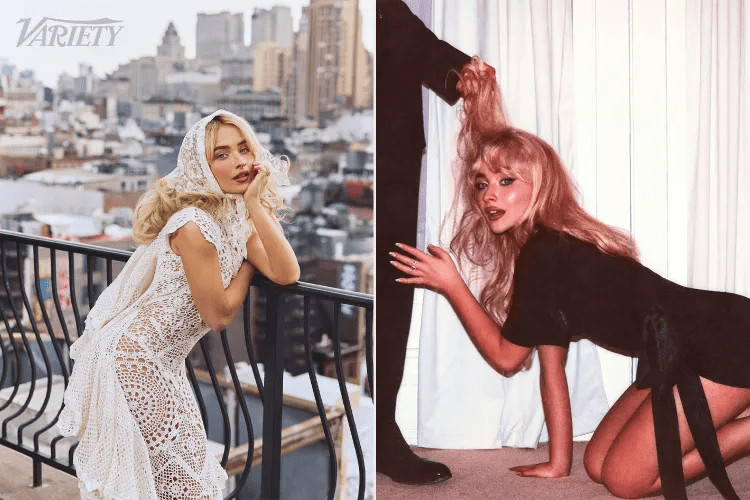
When Sabrina Carpenter revealed the cover art for her album Man’s Best Friend in June, it immediately sparked conversation. The image — Carpenter on her hands and knees while an anonymous man grabbed her hair — was bold, provocative, and deeply personal. For some, it was empowering. For others, it was degrading. And for Sabrina, it was a reflection of her own emotional journey.
The Meaning Behind the Cover
In her Variety Hitmakers cover story, Carpenter explained the symbolism:
“It was about how people try to control women, and how I felt emotionally yanked around by these relationships that I had, and how much power you’re allowing yourself to give them.”
At 26, Carpenter is no stranger to scrutiny. She wanted the cover to capture the tension of being pulled in different directions — a metaphor for relationships where control and vulnerability collide.

Facing Backlash
The cover art quickly drew criticism. Many argued it was degrading to women. Carpenter didn’t dismiss those concerns. Instead, she acknowledged them:
“It meant one thing to me and 100 things to other people… That’s valid. Mine’s valid.”
Her response showed maturity — recognizing that art is open to interpretation, even when the artist’s intent is deeply personal.
Empowerment vs. Misinterpretation
Carpenter’s perspective highlights a larger truth: women in the public eye often walk a fine line between empowerment and misinterpretation. What feels liberating to one person may feel troubling to another. Sabrina embraced that complexity, refusing to shy away from the conversation.
A Career Milestone
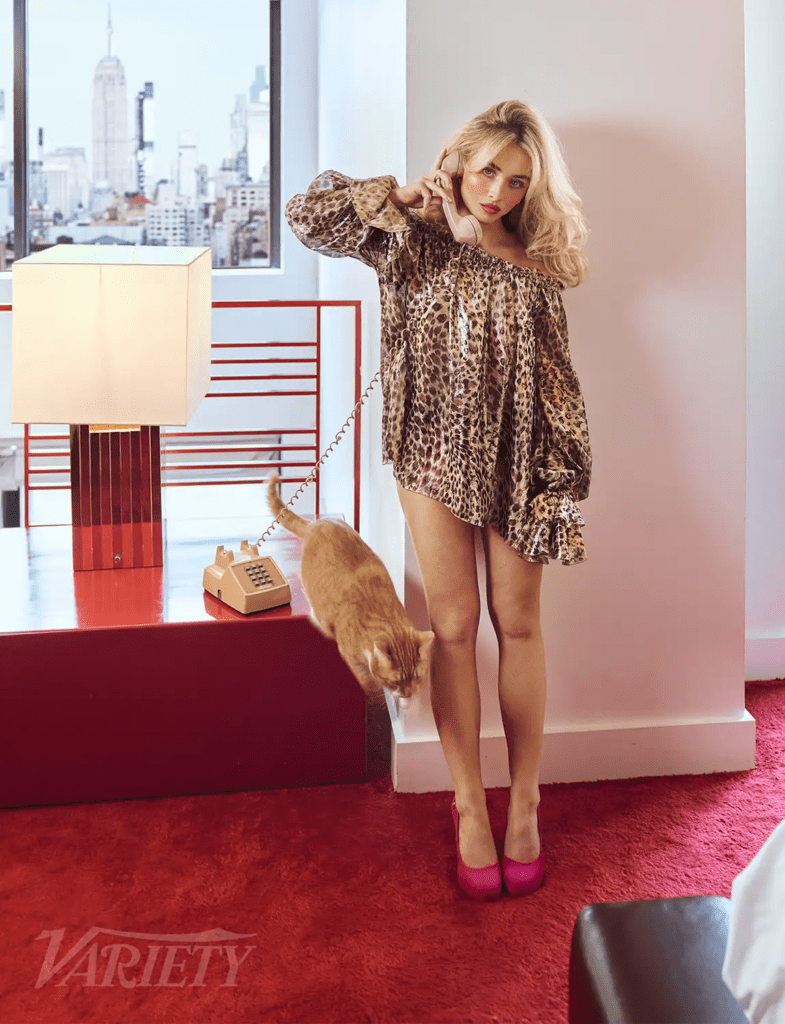
Despite the controversy, Man’s Best Friend debuted at No. 1 on the Billboard 200 albums chart. For Carpenter, the reception was “the most beautiful” she could have hoped for. The album proved that her artistry resonates beyond headlines, cementing her place as one of pop’s most daring voices.
Owning Her Narrative
Carpenter also addressed critics who questioned whether her persona was defined only by sexuality. When one X user asked, “Does she have a personality outside of sex?” she clapped back:
“girl yes and it is goooooood.”
Her response was playful yet firm — a reminder that she is multifaceted, with boundaries, humor, and depth.
Growing Into Her Voice
Reflecting on her younger years, Carpenter recalled looking up to women who sang about sex and empowerment:
“I always thought, ‘When I grow up, then I get to embrace my sexuality more. I don’t even know what that means yet!’”
Now, she embraces that freedom while making clear that she lives authentically, not recklessly.
Final Thoughts
The Man’s Best Friend cover art controversy wasn’t just about an image — it was about the tension between perception and intention. Carpenter turned backlash into dialogue, showing that art can carry multiple truths. For her, the cover symbolized emotional struggle and resilience. For others, it sparked debate about representation.
Ultimately, Sabrina Carpenter’s story reminds us that being an artist means risking misinterpretation — but also owning your narrative with courage.
About the Author







2 thoughts on “Sabrina Carpenter Opens Up About Controversial Album Cover: “It Depicted How I Felt Yanked Around””